Image: <bdi><a href="https://www.wikidata.org/wiki/Q126871368" class="extiw" title="d:Q126871368"><span title="photographer from the United States">Darla Sondrol</span></a></bdi> (CC0)
monocliniccommonSilicates
Serpentine
(Mg,Fe)3Si2O5(OH)4
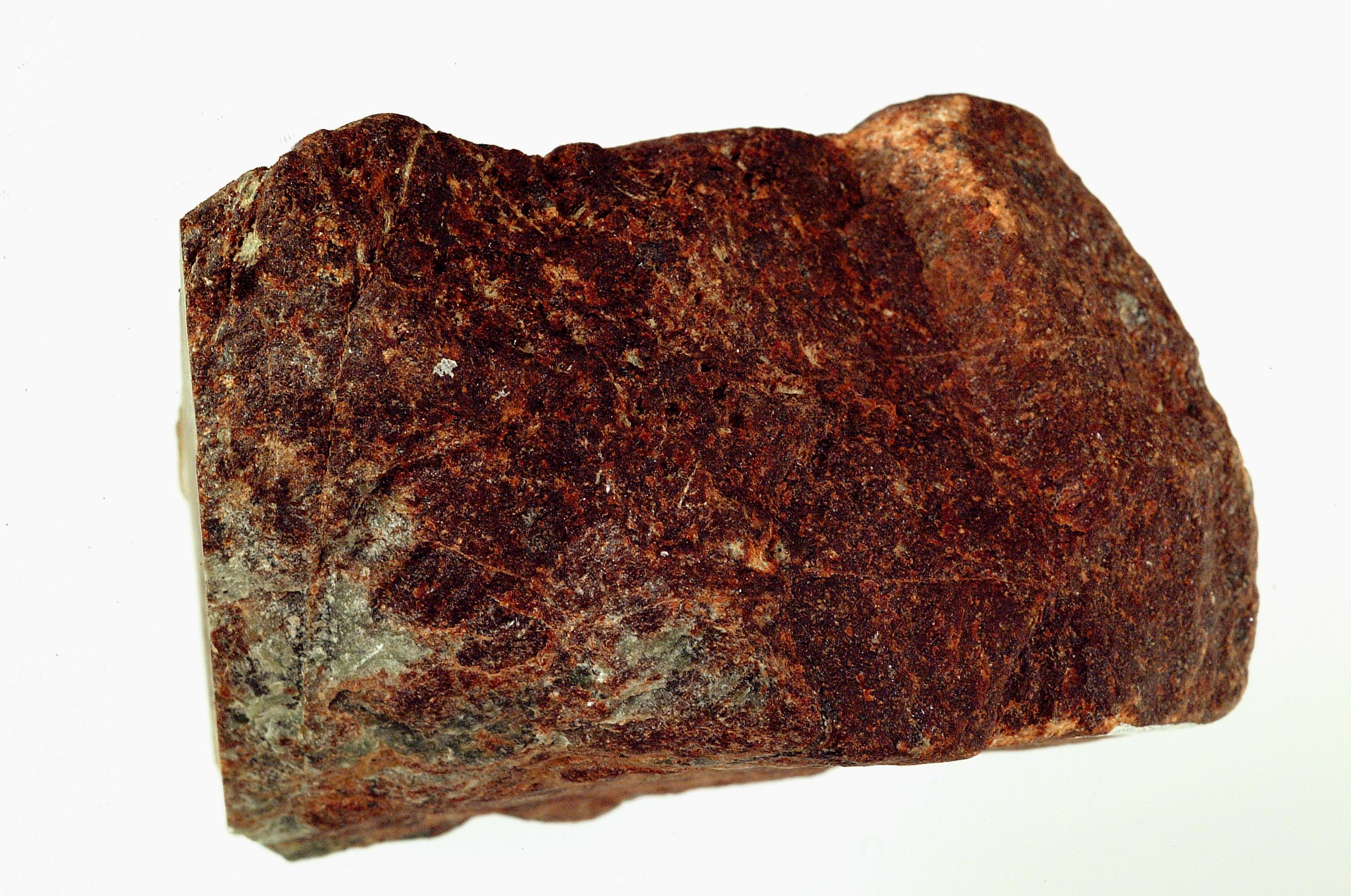
The image displays small amounts of green serpentine, appearing massive or fine-grained, associated with a larger brown altered titanium-rich clinohumite specimen.
Serpentine Physical Properties
Mohs Hardness
2.5Crystal System
monoclinicLuster
vitreousStreak Color
whiteCleavage
poor to noneFracture
conchoidalSpecific Gravity
2.55Colors
green, yellowish-green, brownish-green, blackish-greenTransparency
translucentType Locality
Widespread, including Italy (as per metadata)Mineral Group
SilicatesUses
ornamental stone, carving, architectural stoneAssociated Minerals
humite, talc, magnesite, chromite, magnetiteRarity
commonGeological Context
Serpentine forms through the hydrothermal alteration (serpentinization) of ultramafic rocks like peridotite and dunite, and some mafic rocks. It is characteristic of metamorphic environments, particularly in ophiolite complexes and subduction zones.


