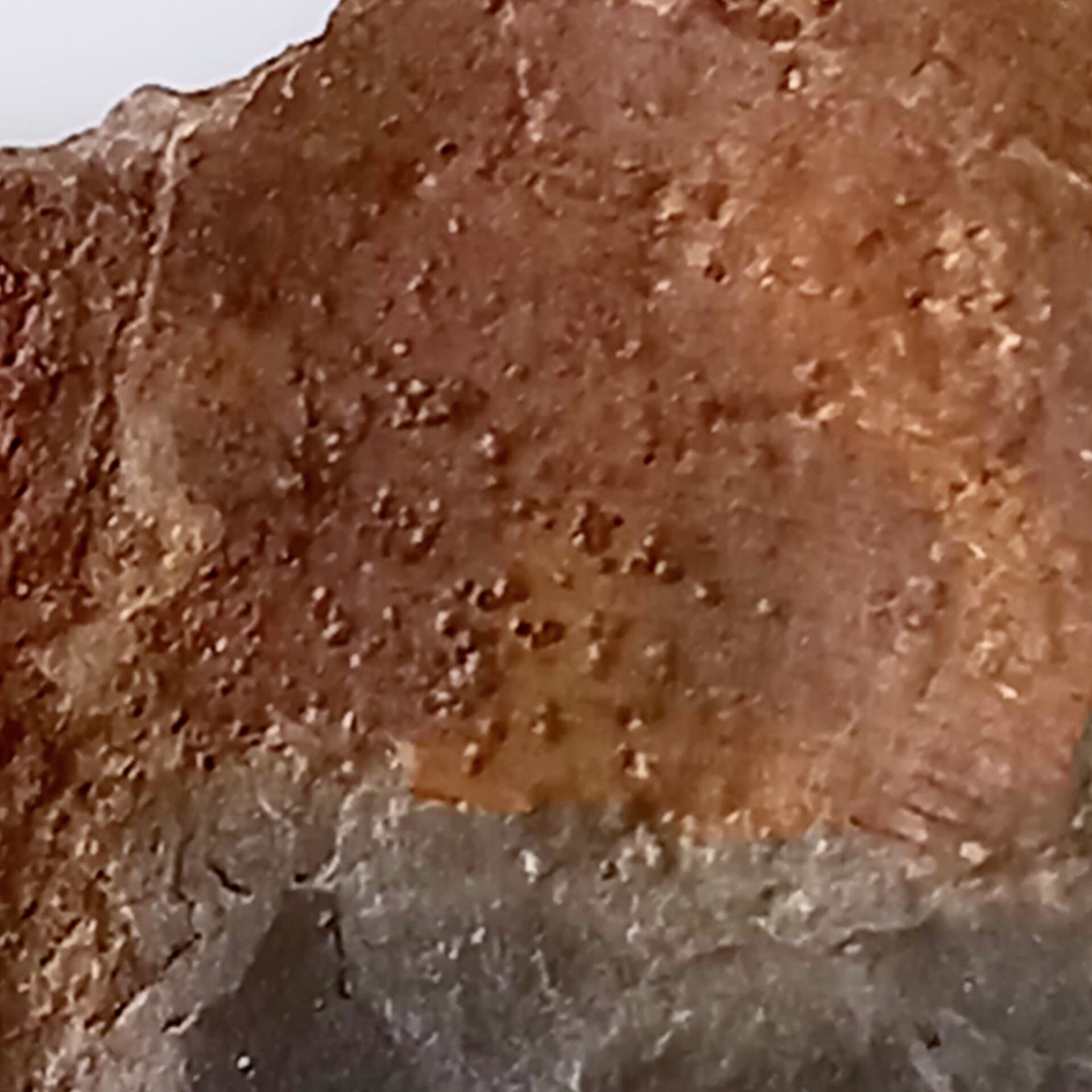
Fossil Fern
Image: Amir Ali Iranshahi 3 (CC0)
Mineral NameFossil Fern
Chemical FormulaPrimarily organic carbon (C) replaced by inorganic minerals such as silica (SiO2), calcite (CaCO3), or pyrite (FeS2).
Mohs HardnessVaries significantly based on the replacing mineral and the surrounding matrix rock, typically ranging from 3 (calcite) to 7 (quartz).
Streak ColorBlack or grey for carbonaceous material; otherwise, the streak of the replacing mineral (e.g., white for calcite, none for quartz).
CleavageNone for the fossilized plant structure; cleavage properties are determined by the surrounding matrix rock or replacing minerals.
FractureUneven or earthy for carbonaceous material; conchoidal if silicified; depends on the matrix rock.
Specific GravityHighly variable, depending on the density of the replacing minerals and the matrix rock, typically ranging from 2.0 to 3.0.
Colorsreddish-brown, brown, black, grey
TransparencyOpaque
Type LocalityAlborz, Iran
Mineral GroupFossil (plant kingdom)
Usesscientific study, education, collector's item
Associated Mineralsshale, sandstone, mudstone, coal, iron oxides, quartz, calcite
Rarityuncommon
Description
This specimen displays a reddish-brown fossilized fern impression, possibly including galls, embedded within a lighter greyish-brown sedimentary rock matrix. The surface exhibits a textured appearance with small bumps and ridges, faithfully preserving the plant's ancient structure.
Geological Context
Fossil ferns are typically found in fine-grained sedimentary rocks like shales, sandstones, and mudstones, which formed in ancient wetland or aquatic environments. This particular specimen dates from the Late Triassic period, indicating its preservation approximately 200-237 million years ago in the Alborz region of Iran.


