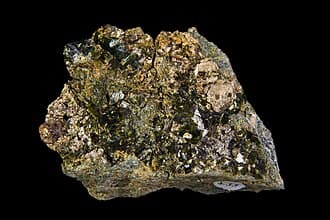
Agate
Image: CEphoto, Uwe Aranas (CC BY-SA 3.0)
Mineral NameAgate
Chemical FormulaSiO2
Mohs Hardness7
Crystal Systemcubic
Lustervitreous
Streak ColorWhite
CleavageNone
FractureConchoidal to uneven
Specific Gravity2.65
Colorswhite, gray, brown, blue, red, green, yellow, pink
TransparencyTranslucent to opaque
Type LocalityBrazil, Uruguay, Mexico, USA (many worldwide)
Mineral GroupSilicates
Usesjewelry, ornamental objects, carvings, industrial applications
Associated Mineralsquartz, calcite, zeolites, chalcedony
Raritycommon
Description
This image displays a polished agate geode, revealing intricate concentric bands of white, gray, and brownish chalcedony, with its central cavity lined by sparkling, well-formed clear quartz crystals.
Geological Context
Agate typically forms in cavities within volcanic rocks, such as basalt, or sometimes in sedimentary rocks, through the deposition of silica-rich solutions in successive layers, often culminating in larger quartz crystals in the geode's core.