Biotite
Image: Olga Ernst (CC BY-SA 4.0)
Mineral NameBiotite
Chemical FormulaK(Mg,Fe)3AlSi3O10(F,OH)2
Mohs Hardness2.5
Crystal Systemmonoclinic
Lustervitreous
Streak Colorwhite to grayish-brown
Cleavageperfect basal (one direction)
Fractureuneven
Specific Gravity2.8
Colorsblack, dark brown, dark green
Transparencytransparent
Type LocalityRössingberge hills, Namibia
Mineral GroupSilicates
Usesindustrial (insulation, filler), geological indicator, collector
Associated Mineralsquartz, feldspar, hornblende, muscovite, garnet, tourmaline
Raritycommon
Description
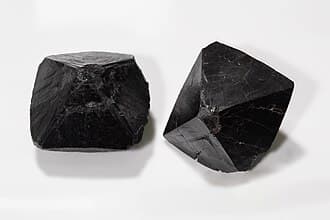
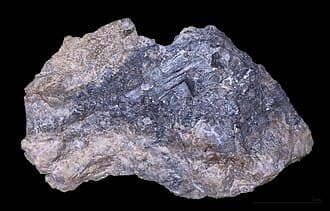
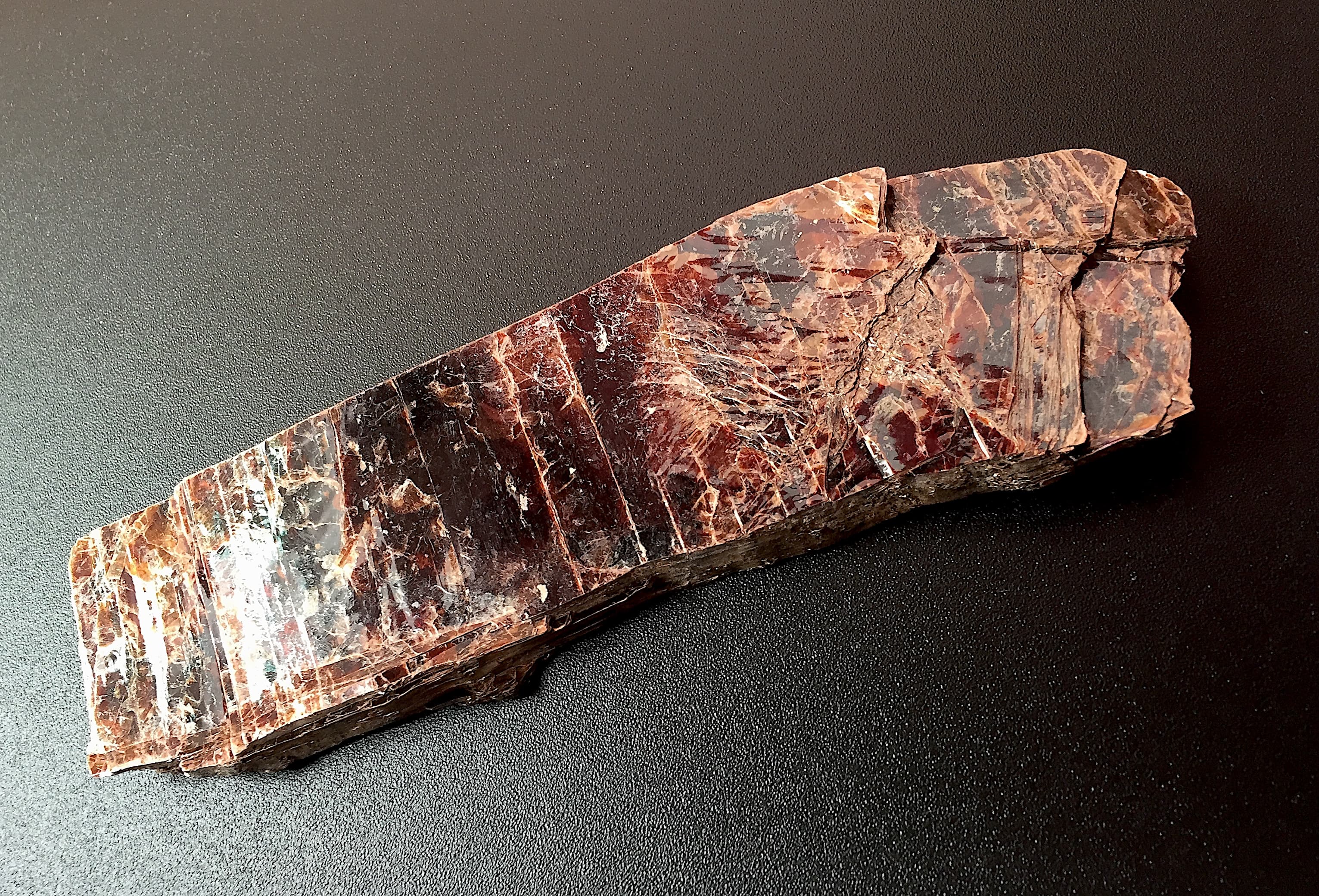
Biotite typically forms dark, flaky, platy crystals with a distinct pearly to vitreous luster, often appearing black or dark brown. It is characterized by its perfect basal cleavage, allowing it to be split into thin, flexible sheets.
Geological Context
Biotite is a common rock-forming mineral found in a wide range of igneous rocks (like granite, diorite) and metamorphic rocks (like schist, gneiss). It forms during the cooling and crystallization of magma or through the recrystallization of existing rocks under heat and pressure.