Schist
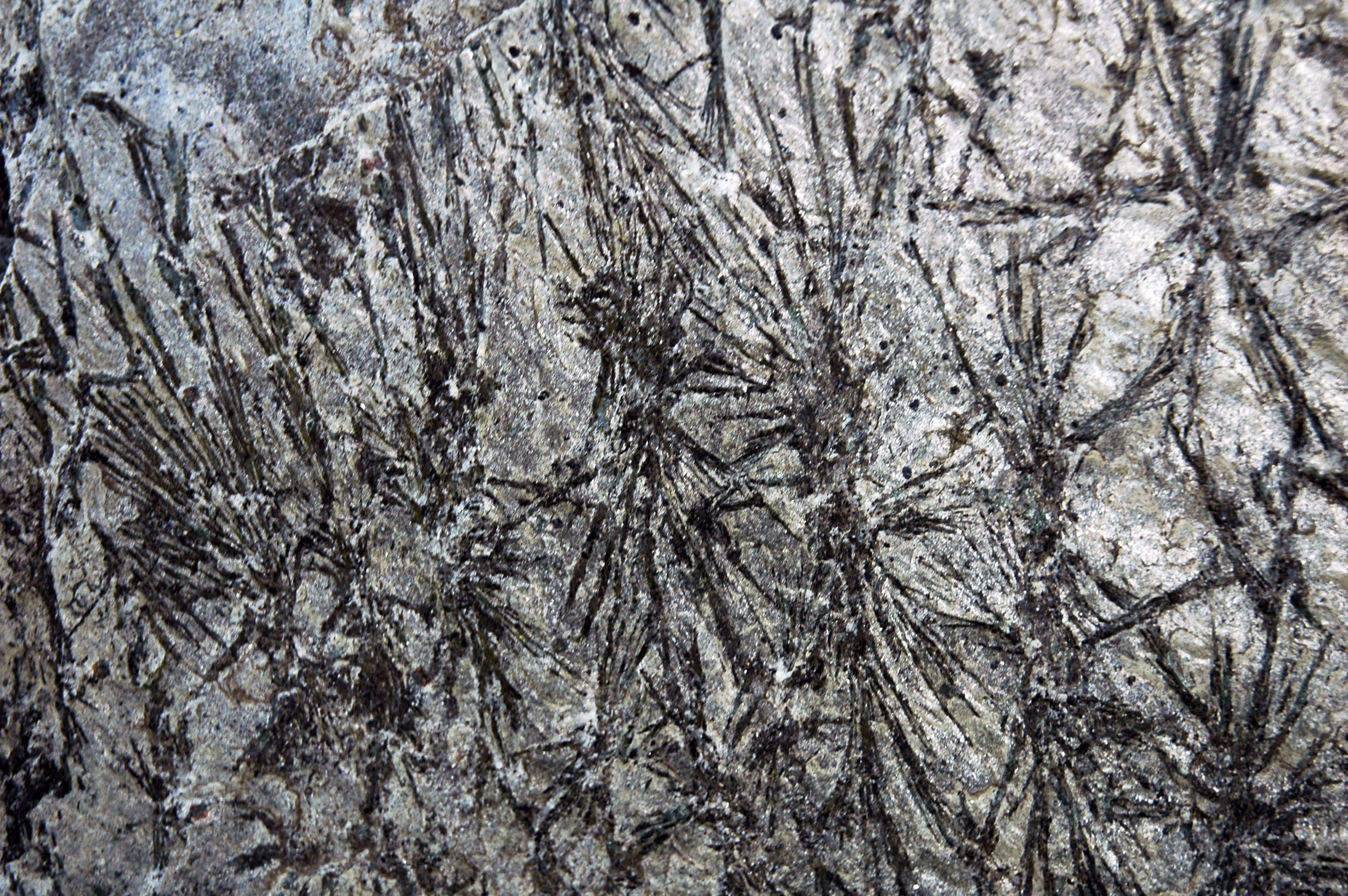
Image: James St. John (CC BY 2.0)
Mineral NameSchist
Chemical FormulaVariable, composed of multiple minerals (e.g., silicates like hornblende, chlorite, quartz).
Mohs HardnessVariable (e.g., 2-7), depending on constituent minerals like chlorite (2-2.5), hornblende (5-6), and quartz (7).
Streak ColorVariable, typically white or light-colored.
CleavageExhibits schistosity (foliation), a tendency to split along parallel planes due to the alignment of platy or elongated minerals. Individual minerals may have distinct cleavage.
FractureUneven to splintery, often along foliation planes.
Specific GravityVariable, typically 2.6-3.3, depending on mineral composition.
Colorsgrey, silvery-grey, black
TransparencyOpaque to translucent, depending on mineral composition and thickness.
Type LocalityRoadcut on the northern side of Route 9, west of the town of Marlboro, southern Vermont, USA.
Mineral GroupMetamorphic rock (specifically, a foliated medium-grade metamorphic rock).
Usesbuilding material, landscaping, decorative stone, geological study
Associated Mineralshornblende, chlorite, quartz
Raritycommon
Description
A grey to silvery-grey metamorphic rock characterized by prominent black, needle-like to radiating sprays of hornblende amphibole, exhibiting a distinct foliated texture.
Geological Context
This schist formed during regional metamorphism within a highly sheared Ordovician-aged serpentinite belt, indicating intense deformation and heat affecting pre-existing rocks.