Polymineral potassium ore
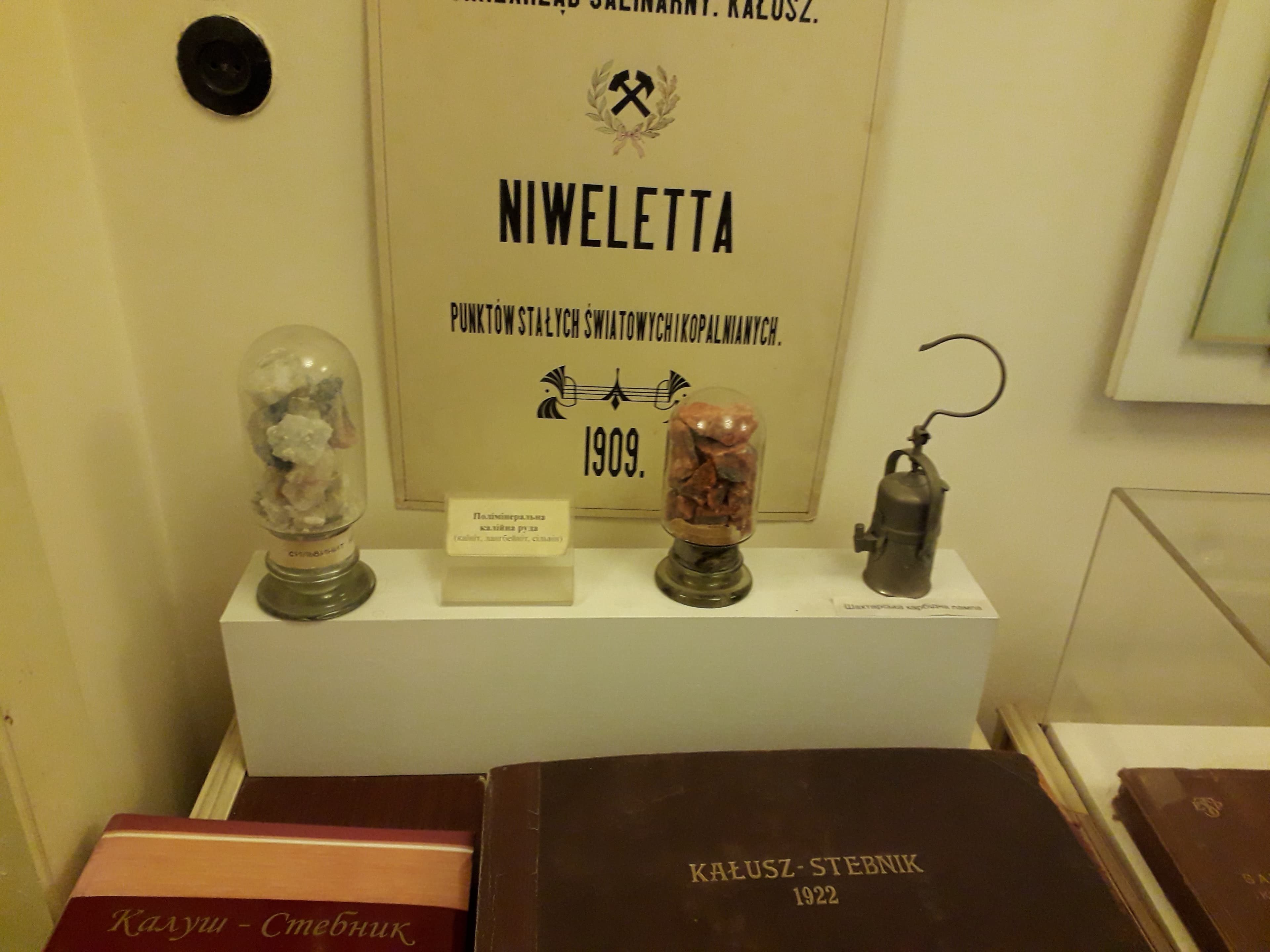
Image: Зоряна-Наталія (CC BY-SA 4.0)
Mineral NamePolymineral potassium ore
Chemical FormulaA complex mixture of potassium-bearing halide and sulfate minerals (e.g., KCl, KMgCl3·6H2O, K2Mg2(SO4)3)
Mohs HardnessVaries depending on constituent minerals, typically 2-3 on Mohs scale
Streak ColorWhite
CleavageVaries; some constituent minerals like sylvite exhibit perfect cubic cleavage, others have poor or no cleavage.
FractureConchoidal to uneven
Specific GravityVaries depending on constituent minerals, typically 1.6-2.0
Colorswhite, pink, reddish-brown, grey
TransparencyTranslucent to opaque (individual crystals can be transparent)
Type LocalityKalush, Stebnyk, Solotvyno (Ukraine)
Mineral GroupEvaporite minerals (primarily halides and sulfates)
Usesfertilizer production, chemical industry, potassium source
Associated Mineralshalite, gypsum, anhydrite, clay minerals
Description
The image shows samples of polymineral potassium ore, appearing as a mix of white, pink, and reddish-brown crystalline fragments, displayed in glass jars.
Geological Context
Polymineral potassium ores form in ancient marine evaporite basins where intense evaporation led to the precipitation of highly soluble salts, often interbedded with halite, gypsum, and clay layers.