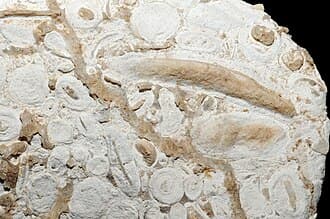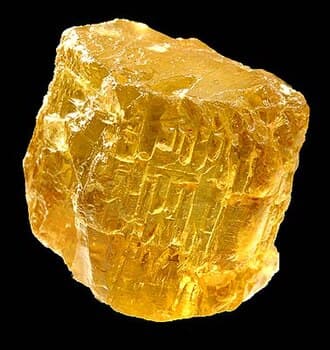
Orthoceras Fossil
Image: “Jon Zander (Digon3)" (CC BY-SA 3.0)
Mineral NameOrthoceras Fossil
Chemical FormulaCaCO3 (calcite replacement)
Mohs Hardness3
Streak Colorwhite
Cleavageperfect rhombohedral (for calcite replacement)
Fractureconchoidal to uneven
Specific Gravity2.71
Colorslight grey, white, dark grey, black
Transparencyopaque
Type LocalityNot specified, but commonly found in Silurian marine sedimentary deposits worldwide (e.g., Morocco, Baltic region)
Mineral GroupCarbonates (for the fossil material)
Useseducational, scientific study, decorative items, collector's specimens
Associated Mineralscalcite, dolomite, quartz, clay minerals (within the surrounding sedimentary rock matrix)
Raritycommon
Description
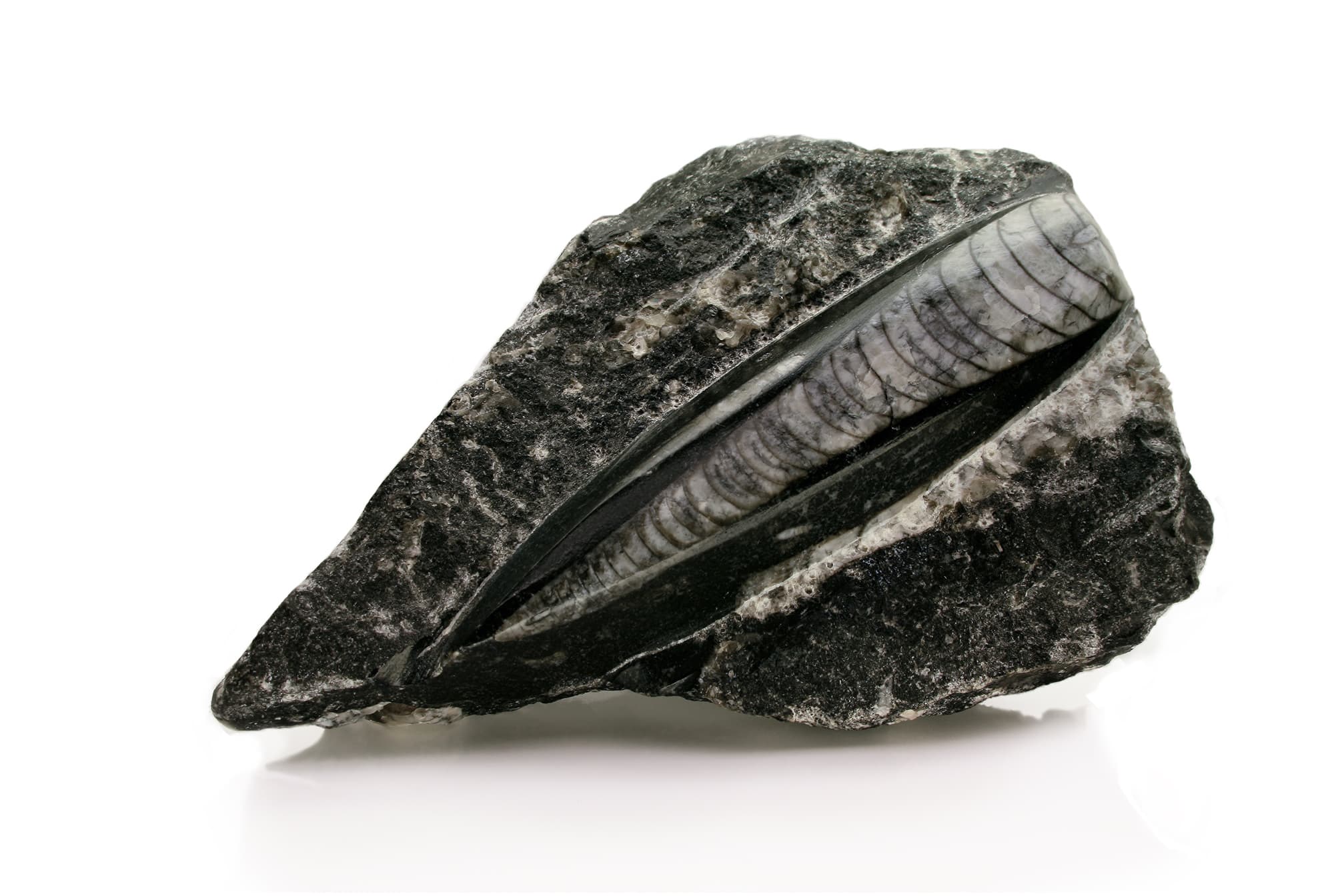
This specimen features an elongated, conical Orthoceras fossil, displaying distinct internal septa, embedded within a dark grey to black sedimentary rock matrix. The fossil itself is light grey to whitish with darker lines.
Geological Context
Orthoceras were ancient marine cephalopods that thrived during the Silurian period, approximately 443 to 419 million years ago. Their fossils are typically preserved in marine sedimentary rocks such as limestones and shales, indicating deposition in shallow sea environments.