Fossil Fern
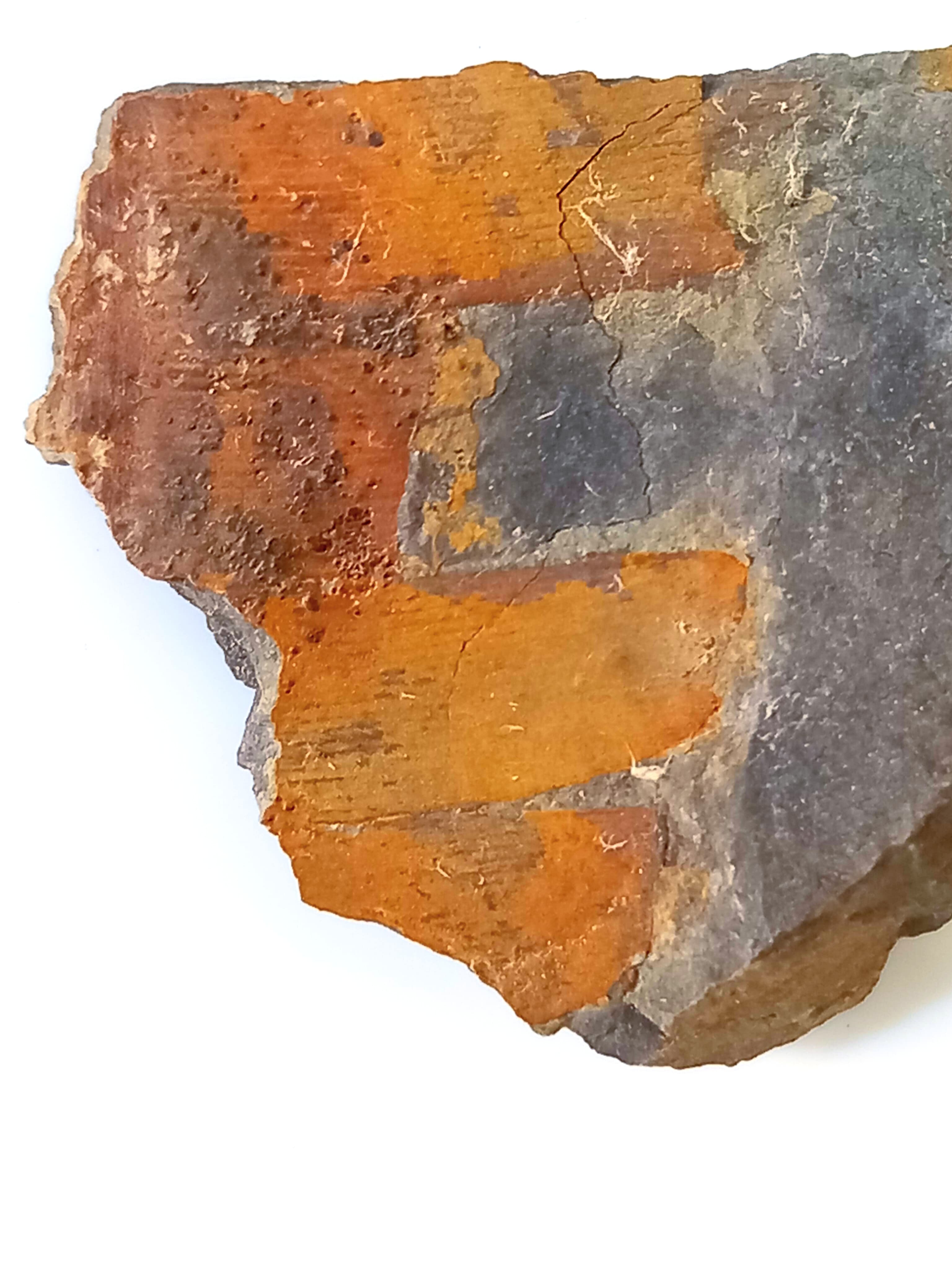
Image: Amir Ali Iranshahi 3 (CC0)
Mineral NameFossil Fern
Chemical FormulaPrimarily carbon (C) from original organic material, often replaced or permineralized by minerals like SiO2 (quartz), CaCO3 (calcite), or iron oxides.
Streak ColorVariable, often black (carbonaceous) or reddish-brown (iron oxides) depending on the preservation.
CleavageNone (for the fossil itself); cleavage may be present in the host rock (e.g., shales).
FractureVariable, often uneven or conchoidal if silicified, otherwise dependent on the host rock.
Colorsdark gray, black, reddish-brown, gray
TransparencyOpaque
Type LocalityAlborz, Iran
Mineral GroupNot a mineral; it is a fossilized organic remain, typically preserved in sedimentary rocks.
Usesscientific study (paleobotany), educational displays, collector's items
Associated Mineralsquartz, clay minerals, calcite, iron oxides
Rarityuncommon
Description
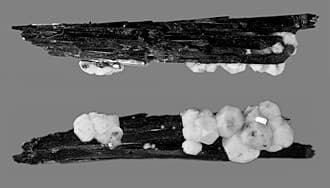
A fossilized fern frond, dark gray to black, showing distinct plant structures and textured galls, embedded in a reddish-brown and gray sedimentary rock matrix.
Geological Context
This fossil formed during the Late Triassic period when plant material was rapidly buried and preserved in fine-grained sediments, undergoing permineralization or carbonization. The presence of galls indicates ancient plant-insect interactions.