Agate
Image: Brandon Menth (CC BY 3.0)
Mineral NameAgate
Chemical FormulaSiO2
Mohs Hardness7
Crystal Systemtrigonal
Lustervitreous
Streak Colorwhite
Cleavagenone
Fractureconchoidal
Specific Gravity2.65
Colorsorange, red, brown, yellow, gray, purple
Transparencytranslucent
Type LocalityWorldwide, notably Brazil, Uruguay, Mexico, USA (Oregon, Montana), Germany
Mineral GroupSilicates
Usesjewelry, ornamental objects, collector's items, industrial (e.g., grinding media)
Associated Mineralsquartz, calcite, zeolites, basalt, rhyolite
Raritycommon
Description
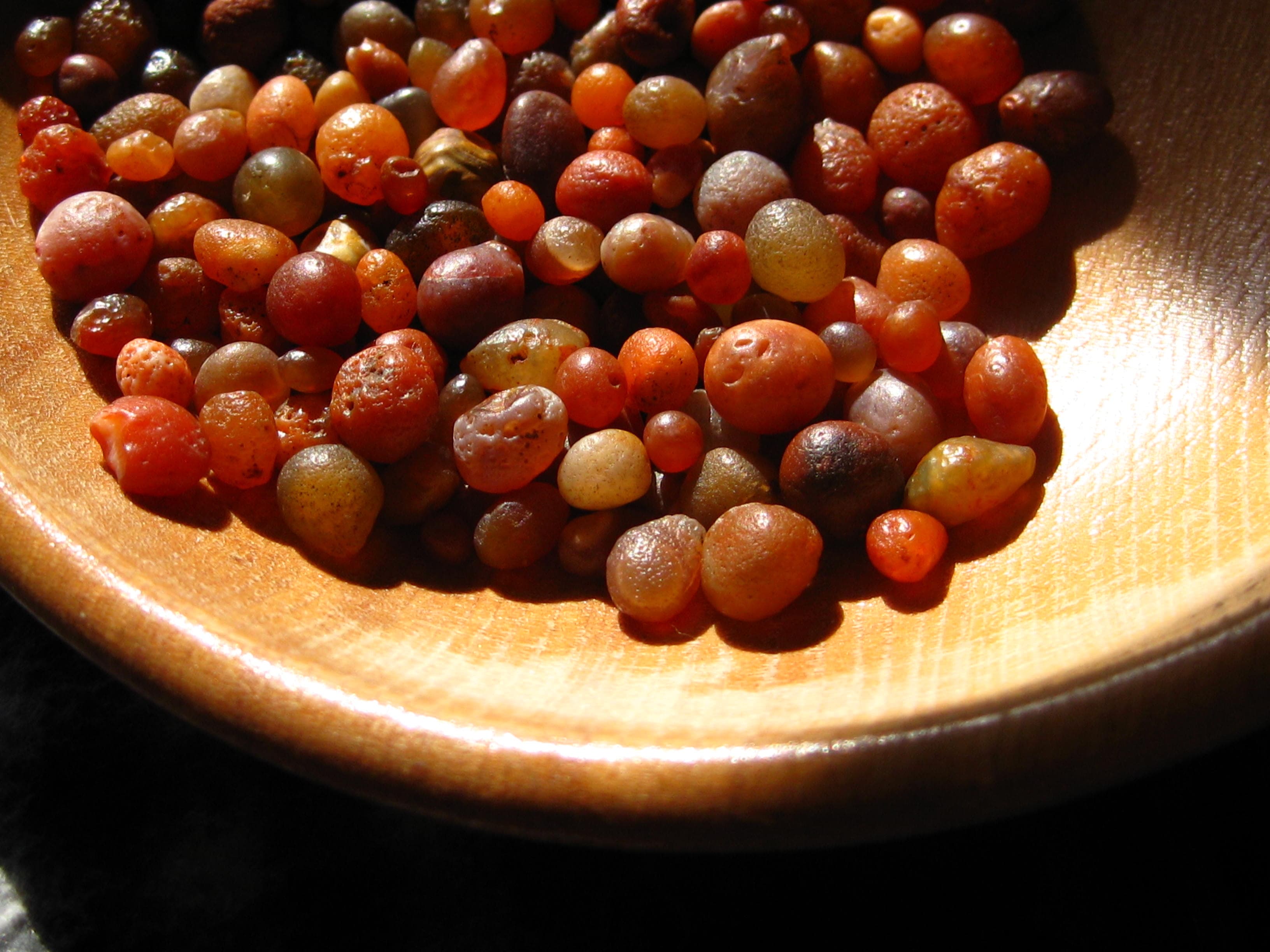
A collection of small, rounded, water-worn agate pebbles, displaying a range of warm colors including orange, red, brown, and yellow, with a translucent quality.
Geological Context
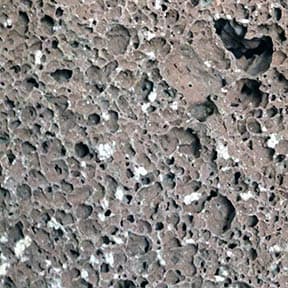
Agates typically form in cavities within volcanic rocks or ancient lavas, where silica-rich solutions deposit concentric layers of cryptocrystalline quartz. These particular specimens appear to be river or beach worn, indicating secondary deposition.