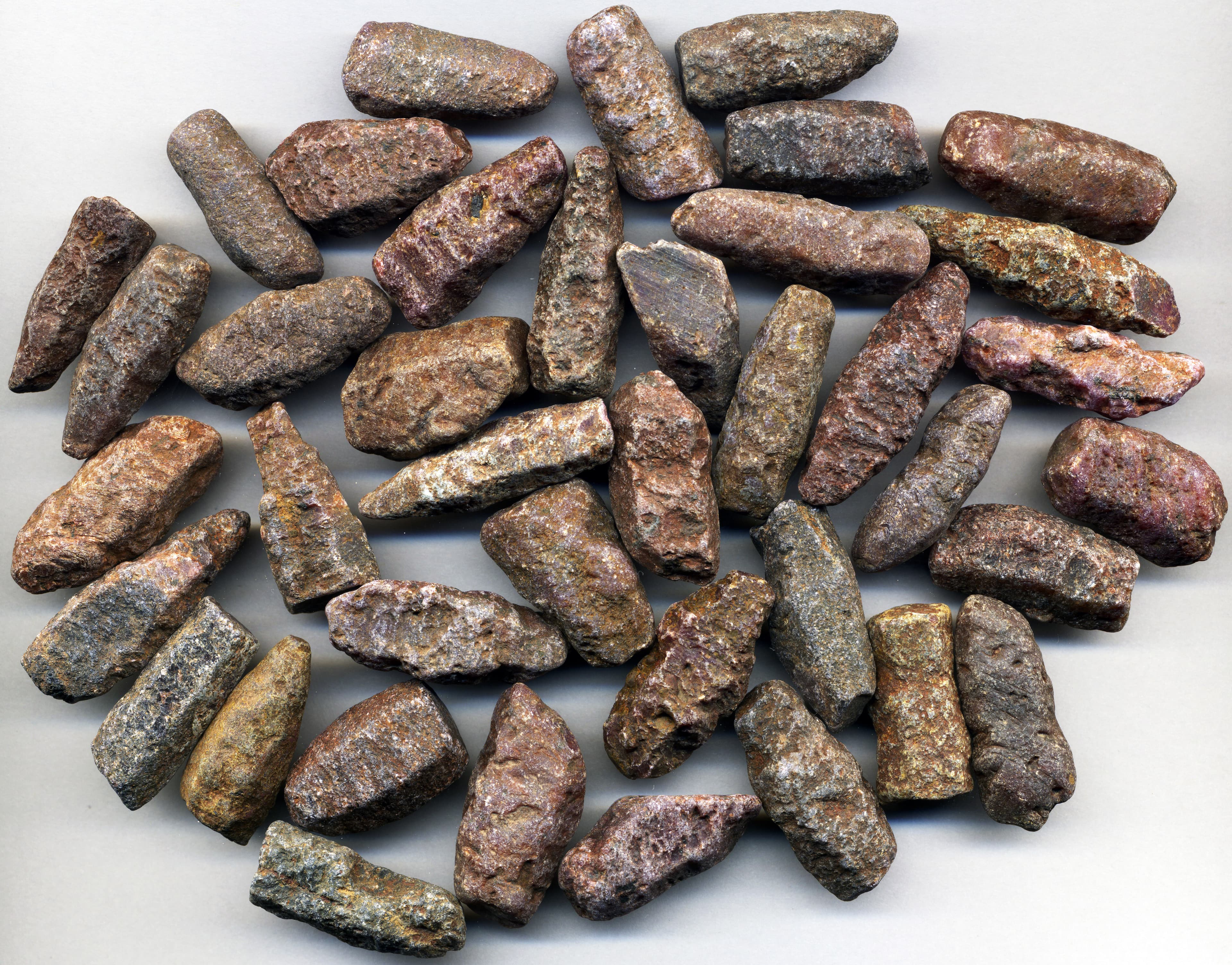
Sapphire
Image: James St. John (CC BY 2.0)
Mineral NameSapphire
Chemical FormulaAl2O3
Mohs Hardness9
Crystal Systemcubic
Lustervitreous
Streak ColorWhite
CleavageNone, but parting often present
FractureConchoidal to uneven
Specific Gravity4
Colorsblue, pink, yellow, green, purple, orange, black, colorless
TransparencyTransparent to translucent
Type LocalityIndia, Sri Lanka, Madagascar, Australia, Thailand, USA (Montana)
Mineral GroupOxides
Usesjewelry, industrial abrasives, watch bearings, scientific instruments
Associated Mineralsfeldspar, mica, garnet, spinel, kyanite
Raritycommon
Description
Sapphire is a variety of corundum, typically known for its vibrant blue color, though it occurs in many other hues. It forms as hexagonal crystals, often with a vitreous to adamantine luster.
Geological Context
Sapphire forms in various geological environments, including metamorphic rocks (like gneiss and schist), igneous rocks (such as basalt and syenite), and often accumulates in alluvial deposits due to its high hardness and resistance to weathering.


