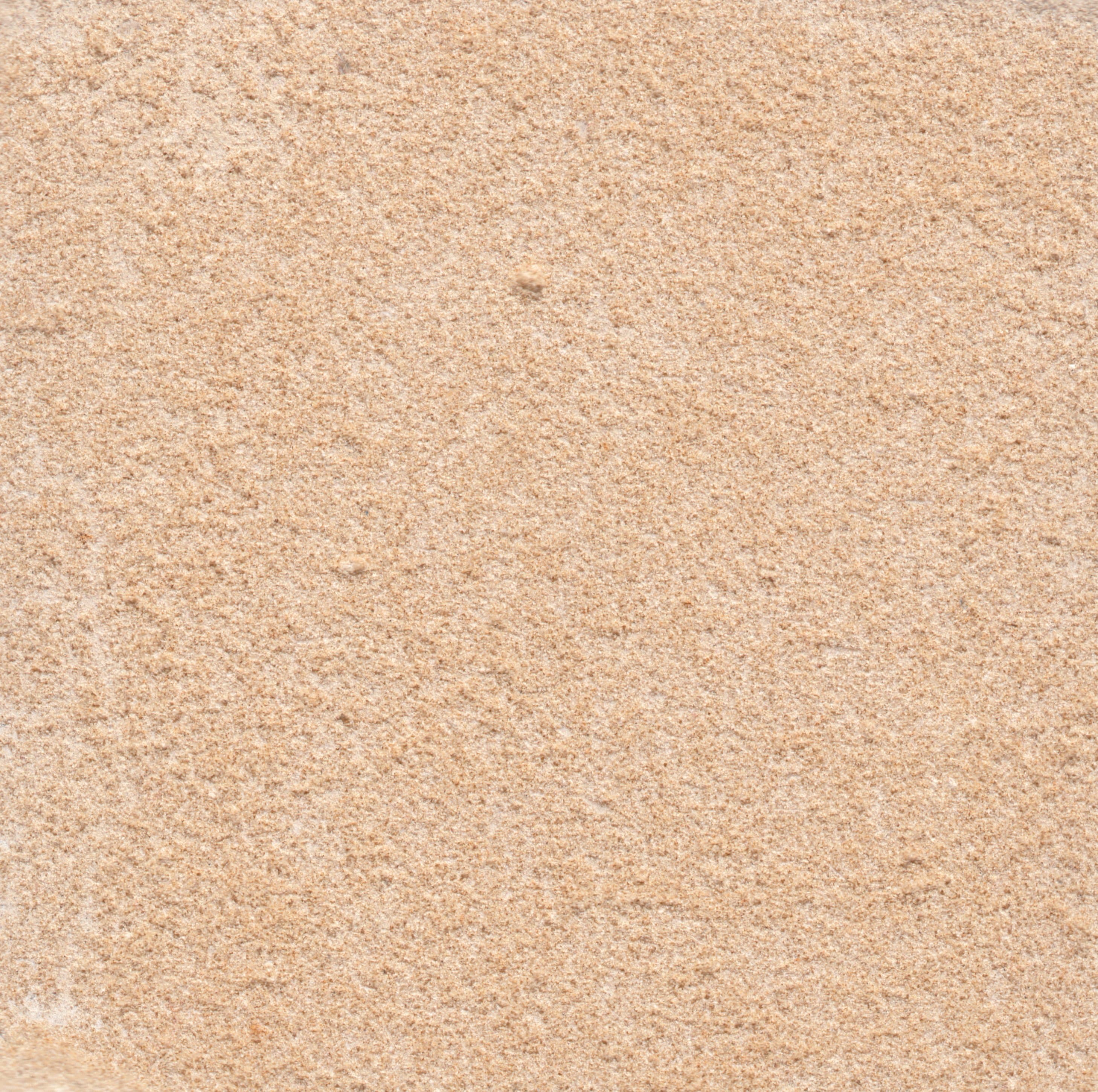
Marl (Limestone)
Image: Hans Erren (CC BY-SA 3.0)
Mineral NameMarl (Limestone)
Chemical FormulaPrimarily CaCO3 with hydrous phyllosilicates
Mohs Hardness2.5
Crystal Systemamorphous
Lusterdull
Streak Colorwhite to light beige
Cleavagenone
Fractureearthy
Specific Gravity2.2
Colorsbeige, tan, light brown
Transparencyopaque
Type LocalityValkenburg, The Netherlands
Mineral GroupSedimentary rock (Carbonate-Silicate)
Usessoil conditioner, cement production, building material
Associated Mineralscalcite, clay minerals, quartz
Raritycommon
Description
A close-up of a light beige to tan rock surface, showing a fine-grained, somewhat granular and porous texture, characteristic of a soft sedimentary rock.
Geological Context
Marl forms in marine or freshwater environments through the deposition of calcium carbonate (often from shells or microfossils) mixed with clay minerals, typically found in sedimentary basins. This sample is from the Cretaceous period.


