Coprolite
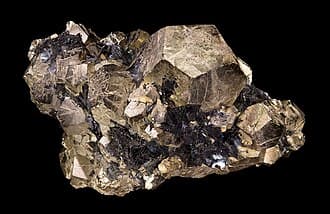
Image: Raptor Let's talk/My mistakes; I mean, er, contributions (CC BY-SA 3.0)
Mineral NameCoprolite
Chemical FormulaVariable, primarily calcium phosphate (apatite group), often replaced by silica (SiO2) or calcite (CaCO3)
Mohs Hardness3
Crystal Systemamorphous
Lusterdull
Streak Colorlight brown to gray
Cleavagenone
Fractureuneven
Specific Gravity2.5
Colorsbrown, gray
Transparencyopaque
Type LocalityWorldwide
Mineral GroupFossilized organic matter
Usesscientific study, collector item
Associated Mineralscalcite, quartz, apatite, pyrite
Rarityuncommon
Description
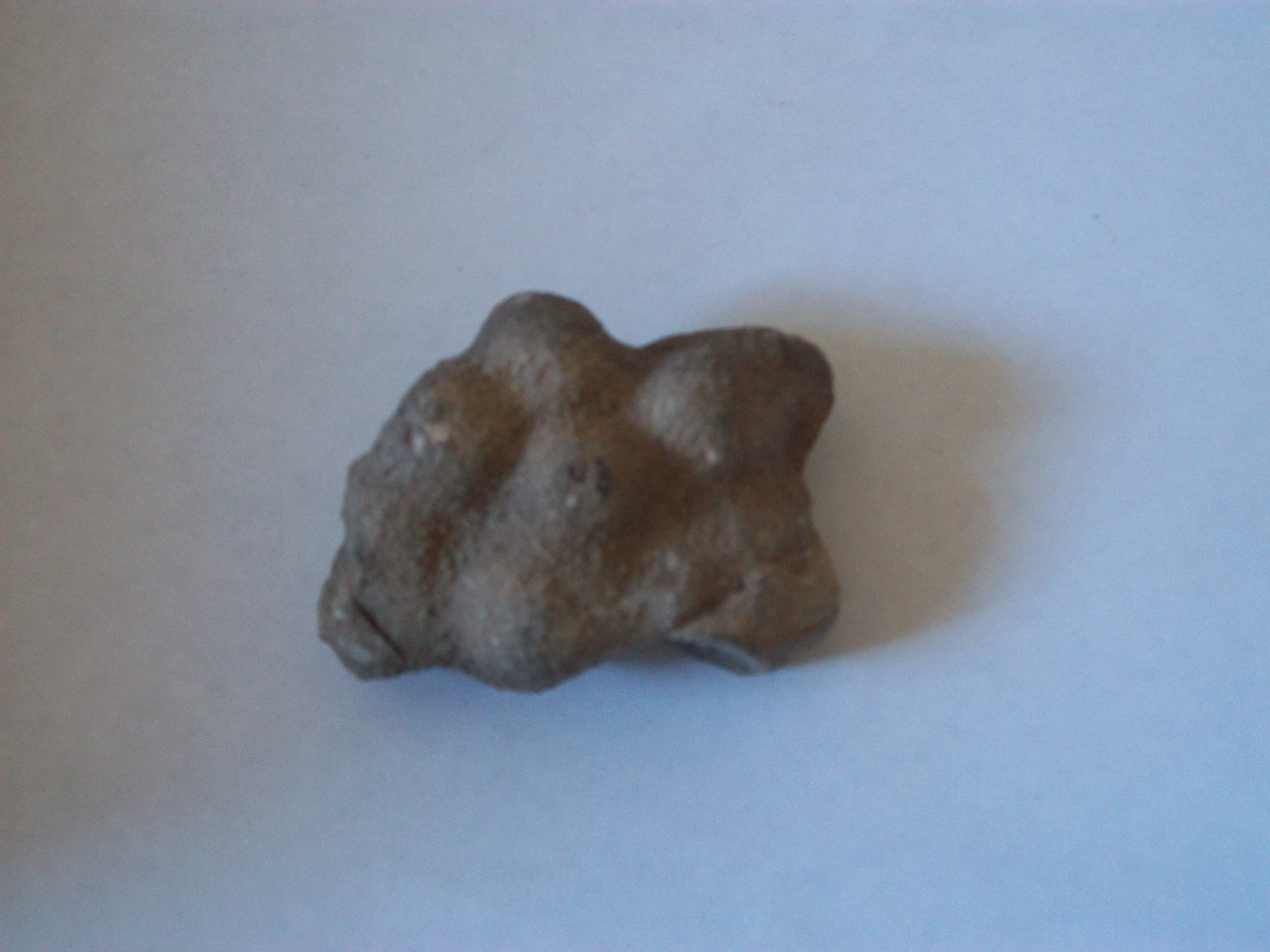
The image displays an irregularly shaped, brownish-gray fossil with a textured, somewhat lumpy surface, indicative of its organic origin.
Geological Context
Coprolites are fossilized feces, providing direct evidence of the diet and behavior of ancient organisms. They form when excrement is rapidly buried and mineralized, often by calcium phosphate, silica, or calcite, preserving its shape and internal structure within sedimentary rocks.